
Continuous foam production lines make flexible polyurethane foam with a density of 8–80 kg/m³. A highly automated touchscreen control system stores multiple recipes, adjusts them at any time and supports remote control over the internet, cutting costs and simplifying management. The line is used in furniture, underwear, footwear, electronics, packaging, garment, automotive and aviation industries, and features both full-auto computer control and manual control.
The main raw materials are polyether polyol, organic isocyanate and water. The polyols are mainly polyether propylene glycol and polyether glycerol. The most common organic isocyanate is toluene diisocyanate (TDI). Water is indispensable: it reacts with TDI to release CO₂ gas, and the amine formed then reacts with isocyanate to form urea bonds that extend the chain. The reaction between polyol and isocyanate needs a catalyst, and dibutyltin is commonly used for chain extension. External blowing agents (low-boiling fluorocarbons such as trichlorofluoromethane) and foam stabilisers (organosilicon foam) are also needed.
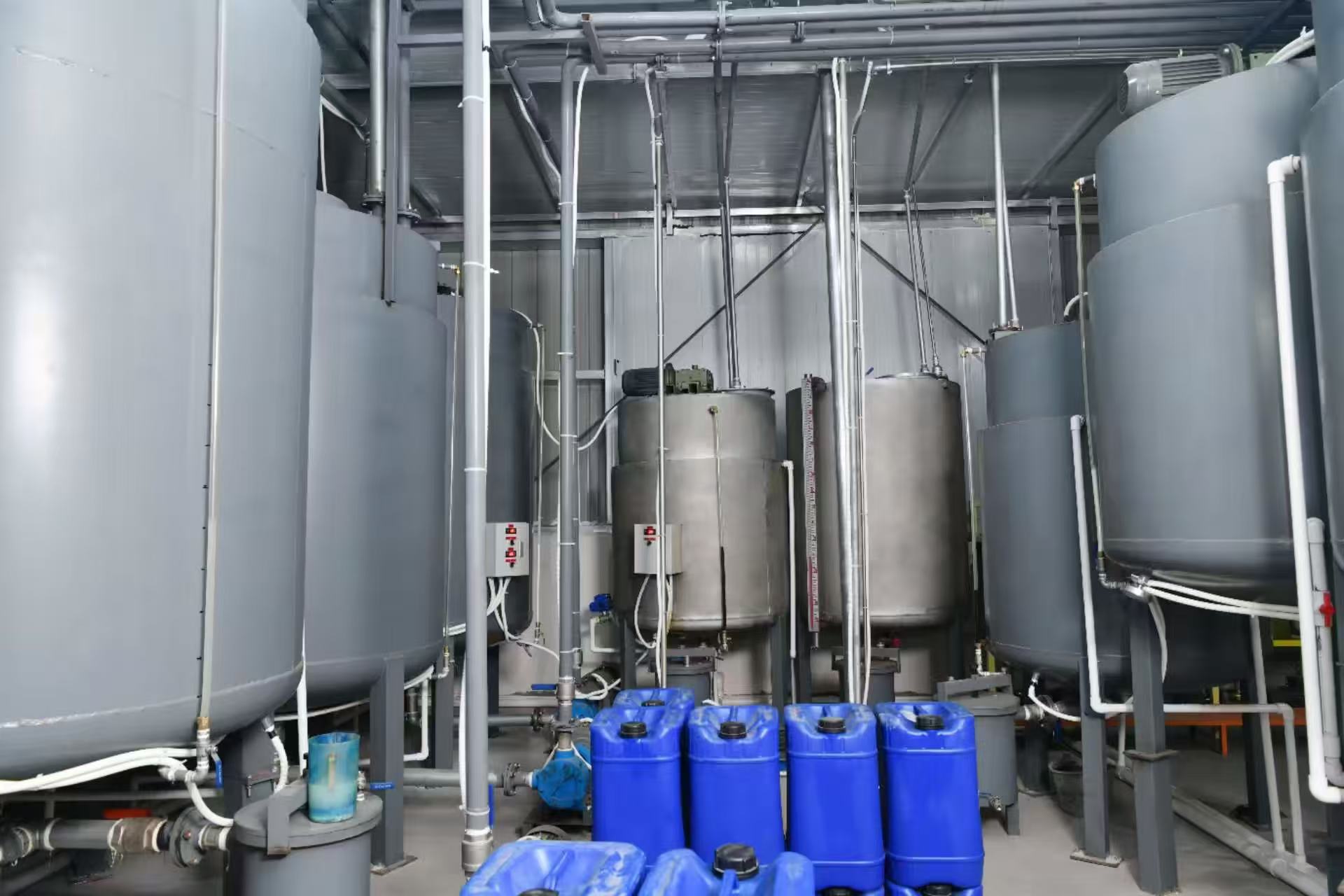
Most continuous foam lines use the one-shot box foaming method: raw materials are stirred at high speed and quickly fed into a forming box, where chain extension, foaming and curing are completed. First the raw materials are added to tanks and stirred continuously; once the temperature stabilises, they are metered to the mixing head at a set ratio. The mixed material flows from an overflow trough onto an inclined plate and then to the low conveyor, where foaming is completed inside the foaming box to produce finished foam.