
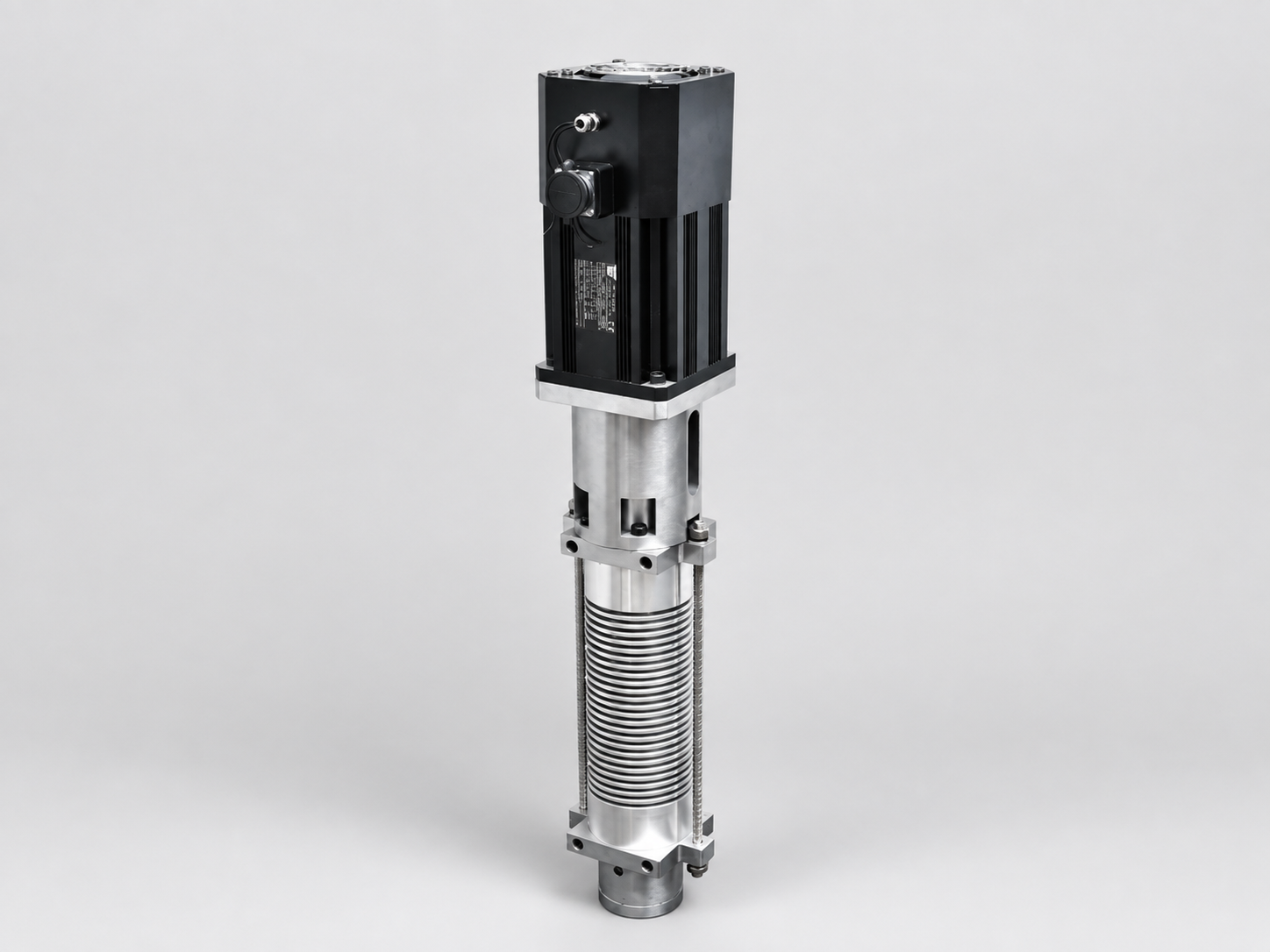
Many people find the foaming machine a mysterious piece of equipment and often make mistakes through misunderstanding. Understanding its foaming principle helps avoid many unnecessary faults.
The basic principle of foaming is introducing air into a blowing-agent solution. Different machine types differ in how they introduce the gas, which leads to different results. Two factors are essential for foam formation: the blowing-agent solution and air — neither can be missing. Without the solution, there is no liquid film around the gas and no bubbles; without gas, bubbles cannot form either.
In the bubble-forming system, the blowing-agent solution is the dispersion medium and the gas is the dispersed phase. Gas must disperse into the liquid to form bubbles, which then gather into foam. Besides the performance of the blowing agent, introducing gas into the solution is the other key factor — and this must be done by the foaming machine using a specific method.