
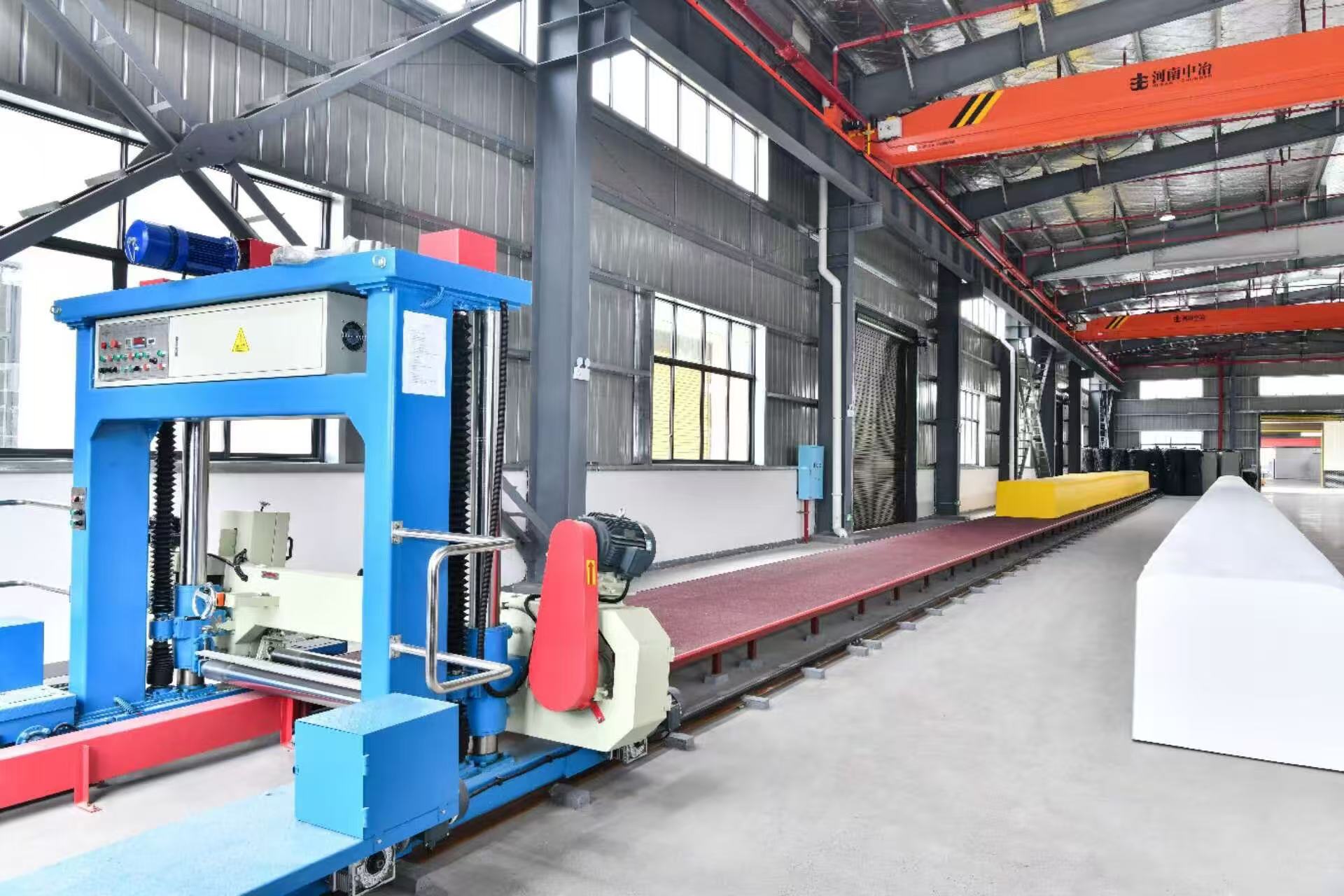
Rigid polyurethane foam, or rigid PU foam, is formed by mixing two chemical raw materials — component A (organic isocyanate) and component B (polyol, i.e. polyether polyol, plus blowing agent, catalyst and flame retardant) — which react to form a rigid foam. Under pressure and heating from the foaming machine, the A and B materials are delivered through insulated pipes to the spray gun mixing chamber, mixed, and sprayed with compressed air onto the surface to be insulated, foaming instantly into a rigid foam.
Energy saving is a global concern. Building energy consumption accounts for 47% of China’s total energy consumption, and the country has issued policies mandating 50% building energy saving and promoting 65%. Polyurethane is currently the best insulation material, outperforming traditional XPS and EPS external insulation systems in every performance index.
Rigid polyurethane foam is lightweight with low thermal conductivity, good heat resistance and ageing resistance, easy bonding with other materials, and does not produce melt droplets when burning. In developed countries about 49% of building insulation uses polyurethane, while in China the figure is under 10%, so the government is promoting polyurethane as a replacement for traditional insulation. This technology has already been applied across more than 200,000 m² in many provinces, and its promotion is imperative.